
+91 - 9848407907
For a Consultation Call Or
Make An Appointment
Conditions Affecting The bile Ducts, Gallbladder, Liver, And Pancreas
Can Cause Severe Pain, Jaundice, And Digestive Issues. Diagnosing These
Problems Accurately Is Crucial To Prevent Complications.
One Of The Most Advanced And Reliable Procedures For This Purpose Is ERCP
(Endoscopic Retrograde Cholangiopancreatography) A Minimally Invasive
Technique That Helps Diagnose and Treat Bile Duct And Pancreatic
Disorders In A Single Procedure.
What Is ERCP?
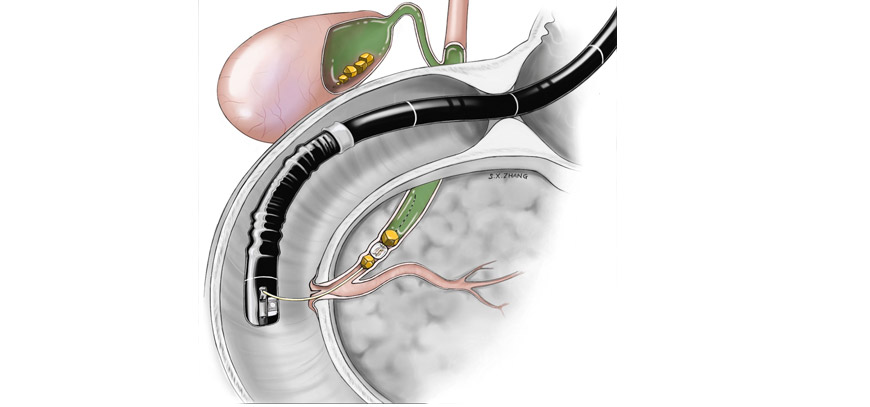
ERCP Is A Specialized Procedure That Combines endoscopy And X-ray
Imaging To Examine The Bile Ducts, Pancreatic Ducts, And Gallbladder.
A Thin, Flexible Tube (endoscope) With A Camera Is Passed Through The Mouth
Into The Stomach And Small Intestine. A Dye Is Then Injected To Help Physicians
View Blockages Or Abnormalities On X-rays.
ERCP Is Unique Because It Can diagnose And Treat Problems In The
Same Sitting.
Conditions ERCP Helps Diagnose & Treat
ERCP Is Highly Effective For:
Bile Duct Stones (Choledocholithiasis)
Gallstones That Migrate Into The Bile Duct Can Cause Pain, Jaundice, And
Infection. ERCP Can remove These Stones Immediately.
Pancreatic Duct Blockages
Blocks In The Pancreatic Duct Can Lead To Pancreatitis. ERCP Helps Clear
The Blockage And Relieve Symptoms.
Bile Duct Narrowing (Strictures)
Caused By Inflammation, Surgery, Or Tumors — ERCP Can Identify
Strictures And Place Stents.
Tumors Of The Bile Duct Or Pancreas
ERCP Helps Detect Abnormal Growths And Take Tissue Samples (biopsy) For
Diagnosis.
Infections Like Cholangitis
ERCP Drains Infected Ducts, Helping Prevent Life-threatening
Complications.
Benefits Of ERCP
Minimally Invasive
No External Cuts Or Major Surgical Incisions Are Required.
Quick Diagnosis And Treatment
Blockages, Stones, Or Strictures Can Be Treated During The Same Procedure.
Fast Recovery
Most Patients Can Return Home Within A Few Hours And Resume Normal
Activities In A Day Or Two.
High Accuracy
Direct Visualization Ensures Precise Diagnosis And Treatment.
What To Expect During ERCP
1.
You Will Receive sedation To Keep You
Relaxed And Comfortable.
2.
A Flexible Endoscope Is Passed Through The Mouth To
The Duodenum.
3.
A Contrast Dye Is Injected To Visualize The Ducts.
4.
Depending On The Findings, The Doctor May:
o Remove
Stones
o Place A
Stent
o Dilate
Narrowed Ducts
o Obtain A
Biopsy
5.
The Procedure Usually Lasts 30–60 Minutes.
Recovery After ERCP
If You Experience Abdominal Pain, Fever, Chills, Or Vomiting After The
Procedure, Immediate Medical Attention Is Necessary.
When You Should Consider ERCP
Consult A Gastroenterologist If You Experience:
These May Indicate Blockages Or Inflammation In The Bile Or Pancreatic
Ducts.
ERCP Is A Powerful And Effective Procedure That Provides both
Diagnosis And Treatment For Bile Duct And Pancreatic Disorders. It Is Safe,
Minimally Invasive, And Offers Quick Relief From Serious Conditions That Would
Otherwise Need Major Surgery.
At Hardhik Gastro Liver Clinic & Scan Center
Dr. Ravisankar Reddy, Senior Consultant Gastroenterologist &
Hepatologist, Specializes In Advanced Procedures Like ERCP To Ensure Accurate
Diagnosis And Effective Treatment.
If You're Experiencing Symptoms Such As Jaundice, Abdominal Pain, Or
Suspected Bile Duct Issues,
Consult Our Specialist Today For Expert Care And Timely Treatment.
© All Rights Reserved @ Hardhiks.com 2018.
 healthin